Socio-Political Factors Contributing to Re-Demarcation Disputes in Vuwani and Malamulele Communities, South Africa
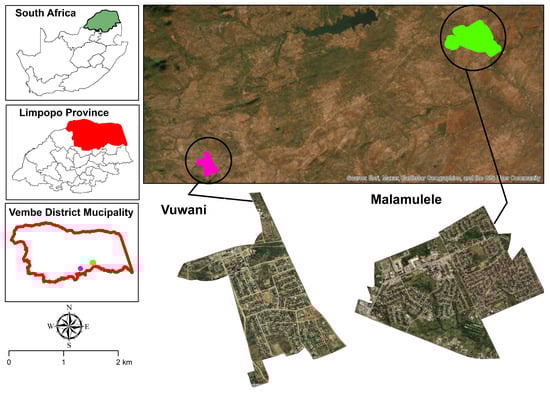
Despite the aim of municipal boundaries re-demarcation to improve capacity, functionality, economic viability, and service delivery in South African municipalities, it often leads to community unrest, protests, and violent confrontations. This article examines socio-political factors that contribute to the ongoing disputes in Vuwani and Malamulele communities, Limpopo, South Africa, and their implications for social cohesion and local governance in a post-apartheid context. Semi-structured interviews were conducted with 52 community members and other stakeholders who are directly involved in or affected by the disputes. Guided by territoriality theory, through thematic analysis, the study findings reveal that re-demarcation disputes are intertwined with political interests, differentiated ethnic and cultural identities, inadequate community consultation, and governance power imbalances. By situating Vuwani and Malamulele communities within wider debates on municipal border disputes, this study calls for an inclusive, transparent, and culturally sensitive approach to the implementation of municipal boundary changes. This is crucial for building united, peaceful, and sustainable communities, and for local government to regain public trust in post-apartheid South Africa.
Ask About This Story
Talk to Kesha, our AI correspondent
A prominent theme that emerged from the interviews was the widely held perception that political interests significantly influenced the establishment of the CCLM. The demarcation decision, which was f... [23204 symbols]