Public transit is being highlighted as a tool for access and cleaner air
A new analysis underscores how transit helps people reach jobs, health care and other essential services while reducing emissions. The broader takeaway is that bus and rail investments can strengthen both household mobility and regional equity, especially for workers without reliable car access.
Ask About This Story
Talk to Kesha, our AI correspondent
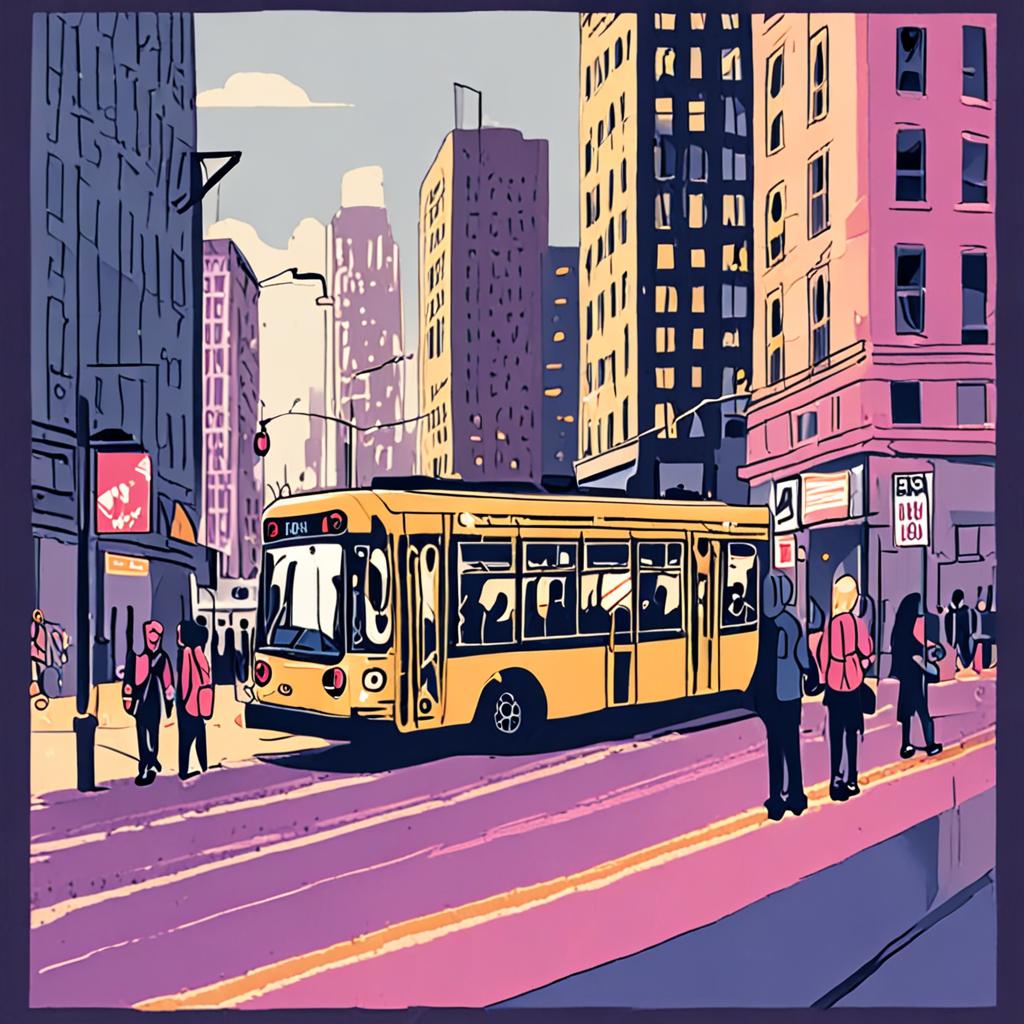
AI-generated illustration
Public transit is being highlighted as a way to do two things at once: give people better access to jobs, health care and other daily needs, while also cutting emissions. The analysis says bus and rail systems can make it easier for residents to get around without a car and can help improve air quality in the process.
That fits a long-running argument from transportation planners and environmental advocates: when more people ride buses and trains, fewer cars crowd the roads and less exhaust goes into the air. Transit agencies and research groups have also pointed to another benefit — better service can support more equitable access, especially for workers and families who cannot always rely on a personal vehicle.
For Milwaukee, that matters because transportation is often a make-or-break expense for households, and not everyone has the same access to a car. Stronger transit service can help residents reach work, school, clinics and stores more affordably, while also easing traffic and cutting pollution in neighborhoods most affected by vehicle emissions.
The broader takeaway is that investments in buses and rail are not just about moving people faster. They can also support public health, household budgets and regional equity — goals that Milwaukee leaders are likely to keep weighing as they look at future transportation spending.