EPA tightens emissions rules for trucks and buses
The Environmental Protection Agency has finalized stricter emissions standards for trucks and buses, requiring manufacturers to phase in cleaner engines and zero‑emission models over the next decade. The rules are expected to cut greenhouse gases and air pollution but face pushback from some trucking and manufacturing groups.
Ask About This Story
Talk to Kesha, our AI correspondent
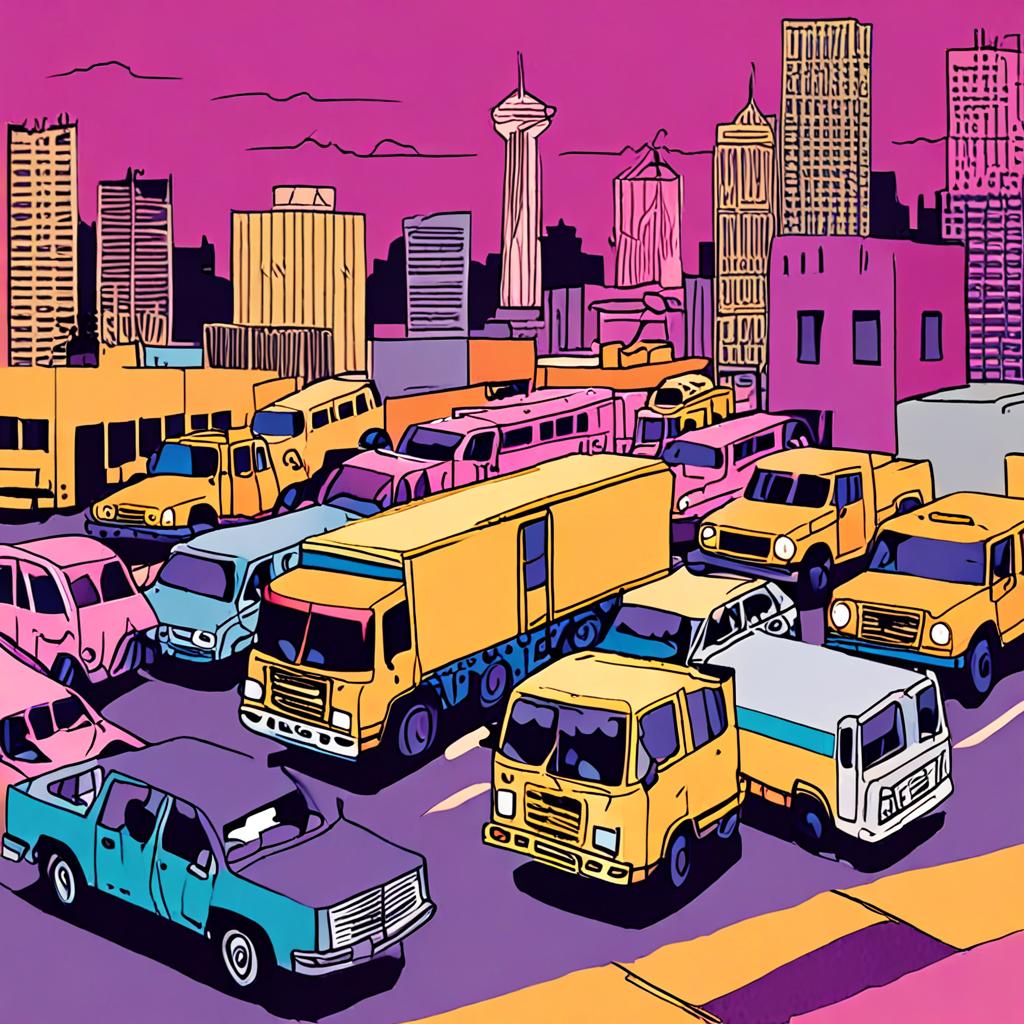
AI-generated illustration
# Federal Emissions Standards for Heavy-Duty Trucks and Buses Take Effect
The U.S. Environmental Protection Agency has finalized stricter emissions standards for commercial trucks and buses, marking a significant shift in how the nation regulates air pollution from the transportation sector. Beginning with model year 2027, manufacturers must comply with tougher greenhouse gas requirements through improved engine efficiency and a rapid increase in zero-emission vehicle sales.
The Phase 3 greenhouse gas standards, finalized in March 2024, are expected to prevent 1 billion tons of greenhouse gas emissions by 2055. The rules apply to heavy-duty vocational vehicles like delivery trucks, refuse haulers, and school buses, as well as semi-trucks. By 2032, the EPA estimates that zero-emission vehicles will comprise between 25 and 60 percent of new commercial vehicle sales, depending on the category—with zero-emission semi-trucks expected to reach 33 percent of sales and vocational vehicles hitting 46 percent.
For Milwaukee residents, these standards could mean cleaner air in neighborhoods near major trucking corridors and distribution centers. The region's proximity to I-94 and its role as a logistics hub means residents are regularly exposed to diesel emissions from heavy-duty vehicles. Stricter pollution controls should reduce smog and soot-forming nitrogen oxides that contribute to respiratory problems, particularly in communities near highways and industrial areas.
The transition will require significant investment from manufacturers and trucking companies to develop and deploy cleaner technologies. While the standards face some pushback from industry groups concerned about compliance costs, environmental advocates argue the long-term public health and climate benefits justify the transition.